Reviewing Layers of Texas Embroidery Files
As an embroidery designer who has spent years refining digitizing techniques for small boutique brands, I approach every new machine embroidery design with a critical eye. It is not just about whether the file runs; it is about how the finished product feels in the hand and looks on the shelf. Recently, I had the opportunity to evaluate Layers of Texas Embroidery Files for an upcoming limited-edition sweatshirt drop. This review breaks down the aesthetic potential, technical considerations, and commercial viability of this digital asset for serious apparel decorators and Etsy sellers.
First Impressions and Design Aesthetic
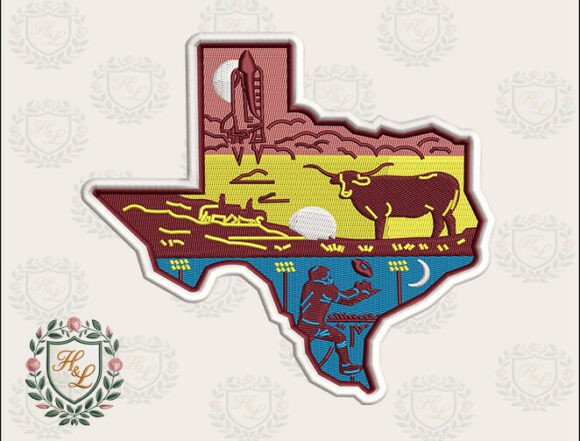
The moment I loaded the preview for Layers of Texas Embroidery Files, the mood was immediately clear. This is not a generic clip-art style graphic; it carries a distinct rustic yet playful energy that fits perfectly within the current North America fashion trends. The description highlights it as a high-quality digital appliqué design, and visually, it delivers on that promise. The layering effect suggests depth, which is crucial for creating a premium look on flat fabrics.
For a boutique brand aiming to stand out, the personality of the stitch work matters. This design feels decorative but grounded. It strikes a balance between bold statement pieces and cute, wearable art. When I imagined this on a neutral cream sweatshirt, the contrast popped beautifully. On darker fabrics, such as charcoal or navy, the design would require careful thread color selection to ensure visibility, but the appliqué nature of the file helps mitigate issues with low contrast by introducing fabric texture into the mix.
Application on Premium Sweatshirts and Hoodies
The primary test for any embroidery file intended for apparel is how it behaves on thick, cozy materials. I visualized Layers of Texas Embroidery Files on several key items in my hypothetical collection:
- Oversized Hoodies: Placed on the left chest, the design acts as a subtle brand identifier. The layered look adds sophistication without overwhelming the garment.
- Neutral Sweatshirts: On beige or oatmeal tones, the design feels organic and earthy, appealing to customers who love minimalist rustic aesthetics.
- Pastel Colors: For a spring drop, placing this on a soft lavender or mint hoodie creates a feminine, playful vibe that performs well in lifestyle product photography.
- Sleeve Accents: If scaled down appropriately, this could work as a sleeve detail, adding value to the custom apparel piece without requiring a large hoop.
The versatility of this design allows it to transition from casual weekend wear to festive decorations, as noted in its description. However, for a clothing line, the focus remains on how it elevates the perceived value of the handmade product.
Technical Considerations for Production
Before running a production batch, there are several practical designer concerns that must be addressed. Since Layers of Texas Embroidery Files is an appliqué design, the interaction between the base fabric, the appliqué fabric, and the satin stitches is critical.
Fabric Texture and Stabilizer Choice
Sweatshirts and hoodies have a significant pile and stretch. Using the wrong stabilizer can lead to puckering or distortion. For this design, I recommend a cut-away stabilizer for maximum durability, especially if the sweatshirt embroidery is intended for frequent washing. The fabric texture of the sweatshirt will show through the appliqué areas, so choosing a smooth, tightly woven appliqué fabric is essential to maintain the crispness of the layers.
Stitch Density and Thread Colors
Appliqué designs generally have lower stitch density than full-fill designs, which is beneficial for thick garments. It reduces bulk and prevents the "cardboard" feel that can occur with heavy embroidery on fleece. However, you must check the specific stitch count and density settings in your software. Ensure the satin borders are dense enough to cover the raw edges of the appliqué fabric completely. Regarding thread colors, this design offers an opportunity for creative contrast. Using variegated threads for the border stitches could enhance the "layers" concept, adding dimension that flat threads might miss.
Hoop Size and Placement
While the exact hoop size requirements are not specified in the brief description, most appliqué designs of this nature fit comfortably within a 5x7 or 6x10 hoop. Always verify the dimensions in your digitizing software before purchasing. Proper hoop placement is vital for symmetry, especially on hoodies where the center seam can interfere with alignment. For a small shop product, consistency in placement across all units is what builds buyer trust.
Commercial Viability and Brand Identity
Using Layers of Texas Embroidery Files is more than just adding a graphic; it is a strategic move for brand identity. In the competitive market of Etsy seller shops and independent boutiques, unique design assets set you apart. This design feels strong enough for commercial embroidery use, provided you adhere to best practices for finishing.
The visual recognition of a well-executed embroidered logo or motif increases customer engagement. When shoppers see a finished product with clean edges and thoughtful color pairing, they perceive higher quality. This perception directly impacts the price point you can command. A simple sweatshirt becomes a curated fashion item when adorned with a detailed, layered embroidery design.
Furthermore, this design is versatile beyond apparel. As mentioned in the product details, it is perfect for tote bags and pillows. This allows for cross-promotion in your store. You can create matching sets, increasing the average order value. For example, a customer buying a hoodie might add a matching pillow for their home, creating a cohesive lifestyle brand image.
Final Verdict for Designers
In conclusion, Layers of Texas Embroidery Files is a robust addition to any digital library focused on rustic, playful, or regional themes. It offers the flexibility needed for various design assets, from apparel to home decor. For those preparing a printable mockup or planning a photoshoot, this design provides excellent visual interest due to its layered structure.
Remember to always check the specific file formats included to ensure compatibility with your machine. Whether you are using Brother, Janome, or Bernina equipment, verifying the format is a crucial step before production. By paying attention to stabilizer choice, thread tension, and fabric quality, you can transform this digital file into a tangible asset that drives sales and enhances your reputation as a skilled creator in the world of Embroidery.
For small business owners looking to refresh their seasonal offerings, this design offers a blend of charm and professionalism that resonates with modern consumers. It is not just a pattern; it is a tool for storytelling through stitch.