Reviewing Layers of Indiana Embroidery Files
As an embroidery designer who spends countless hours digitizing and stitching out designs for clients, I am always cautious about which digital embroidery file collections I add to my library. When I first encountered the Layers of Indiana Embroidery Files on Creative Fabrica, I was intrigued by the promise of a high-quality digital appliqué design that could bring creative projects to life. For those of us running small businesses or selling on Etsy, finding reliable assets that translate well from screen to fabric is crucial. This review explores whether this specific collection holds up under the pressure of real-world commercial embroidery projects.
First Impressions and Visual Mood
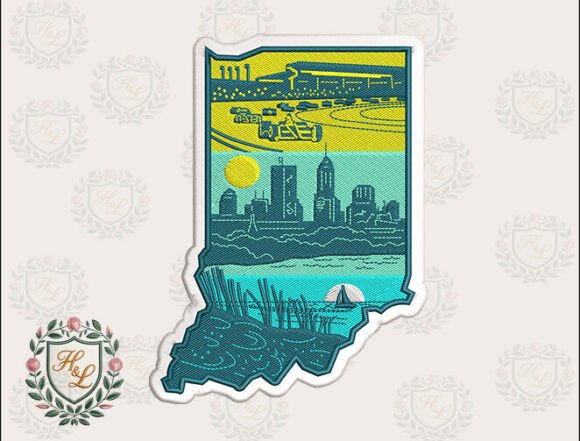
The initial appeal of the Layers of Indiana Embroidery Files lies in its thematic cohesion. The design captures a distinct regional pride, making it an excellent choice for customers looking for North America inspired decor or apparel. Visually, the layers suggest depth and texture, which is essential for keeping an audience engaged. In the world of Creative Fabrica embroidery, many designs can feel flat or overly generic. However, this collection appears to offer a decorative appeal that fits naturally into modern handmade aesthetics. The mood is warm and inviting, suitable for both rustic and contemporary styles.
For a designer, the detail level is the first thing I scrutinize. Does the design rely too heavily on tiny details that might get lost in production? From what I can see, the balance between open spaces and detailed areas seems thoughtful. This is vital because it affects how the design performs on different textiles. A design that looks stunning on a high-resolution screen can sometimes fail when stitched onto a textured towel or a stretchy sweatshirt.
Performance in Real Embroidery Projects
When considering a new machine embroidery design, I immediately think about its versatility. The product description highlights suitability for shirts, tote bags, and pillows, but let’s dig deeper into how these files might perform in a busy workshop environment.
- Custom Apparel: For t-shirts and sweatshirts, the appliqué nature of this design is a significant advantage. Applique reduces the amount of thread needed, which keeps the garment lighter and more comfortable. It also minimizes the risk of puckering on stretchy fabrics, a common issue with dense fill stitches.
- Tote Bag Design: Tote bags are a staple for craft fairs. The bold lines typical of layered designs stand out well on canvas or cotton duck fabric. The Layers of Indiana Embroidery Files could serve as a central focal point, allowing for easy customization with names or dates using complementary fonts.
- Home Decor: Pillow covers and kitchen towels require durability. Since these items undergo frequent washing, the stitch integrity is paramount. An appliqué design, if secured properly with a strong satin stitch border, tends to hold up better than large areas of solid fill stitching which can pull on lightweight linen.
For Etsy sellers and boutique merchandise creators, the ability to create a cohesive product line is key. Using a consistent design asset like this across various products—from aprons to nursery decor—helps build brand consistency. It allows you to offer a "collection" rather than just single items, which can increase average order value.
Practical Considerations for Stitching
While the aesthetic is promising, practical execution is where many designs fail. Here are several technical factors to consider before loading the Layers of Indiana Embroidery Files into your machine.
Hoop Size and Placement: Always confirm the hoop size required for the specific variant you choose. While the description mentions general use, some layered designs may require a 5x7 or even a 6x10 hoop to capture all elements without resizing, which can distort stitch density. If you are working on curved surfaces like caps, ensure the design fits within the constraints of a cap frame.
Fabric and Stabilizer Choices: The success of any applique design depends heavily on the stabilizer. For stretchy fabrics like jersey knits used in sweatshirt embroidery, a cut-away stabilizer is non-negotiable to prevent distortion. For woven fabrics like tote bags, a tear-away might suffice, but testing is essential. Dark fabrics present another challenge; ensure your thread colors provide enough contrast. If the design relies on subtle shading, it may disappear on black or navy material.
Stitch Density and Texture: Check the stitch density of the satin stitch borders. If they are too dense, they can cause thread breaks or needle deflection. If they are too loose, the raw edges of the appliqué fabric may fray over time. A test stitch-out on scrap fabric is the only way to verify this. Look for clean turns and minimal jumping threads.
Enhancing Product Value and Buyer Trust
Using high-quality design assets directly impacts the perceived value of your handmade product. Customers often judge the quality of a personalized gift by the neatness of the embroidery. A clean, well-executed design from the Layers of Indiana Embroidery Files can elevate a simple tote bag into a premium item. This attention to detail builds buyer trust and encourages repeat business.
Furthermore, these files are excellent for creating printable mockups. Before you even stitch a single thread, you can visualize how the design looks on different colored garments. This helps in planning your inventory and marketing materials. High-quality visuals lead to better customer engagement on social media and online marketplaces.
Final Verdict and Best Practices
Is the Layers of Indiana Embroidery Files worth downloading? For designers focusing on regional themes, apparel, and home goods, it offers a solid foundation. The appliqué style is practical for commercial use, reducing production time and material costs compared to full-coverage embroidery.
Before you begin your next project, follow these steps:
- Check File Details: Verify the included formats (PES, DST, JEF, etc.) to ensure compatibility with your specific machine.
- Review Licensing: Always read the license terms on the Creative Fabrica product page. Ensure you are compliant regarding the sale of finished physical items.
- Test Stitch: Never skip the test phase. Use similar fabric and stabilizer to your final product. Inspect small details after stitching to ensure no gaps or loose threads.
- Thread Contrast: Plan your thread colors carefully. High contrast makes the design pop, while low contrast offers a subtle, sophisticated look.
In conclusion, this collection serves as a versatile tool for creative entrepreneurs. Whether you are creating an embroidered patch for a local club or a custom gift for a holiday season, these files provide a professional starting point. By paying attention to technical details like stabilizer choice and stitch density, you can transform this digital file into a tangible, high-quality product that resonates with customers.