Reviewing Butterfly Embroidery Wild Flowers for Real Projects
As a designer who has spent years translating digital concepts into tangible textiles, I approach every new pattern with a mix of curiosity and skepticism. We have all seen the flood of generic, algorithmically generated motifs that look pretty on a screen but fall apart under the needle. That is why my initial reaction to Butterfly Embroidery Wild Flowers was cautiously optimistic. The description explicitly states this is a hand-drawn design, not AI-generated, which immediately signals a level of artistic intent and organic flow that machine-made vectors often lack. For those of us in the craft business, that distinction matters immensely when we are trying to build a brand identity rooted in authenticity.
The Visual Personality and First Impressions
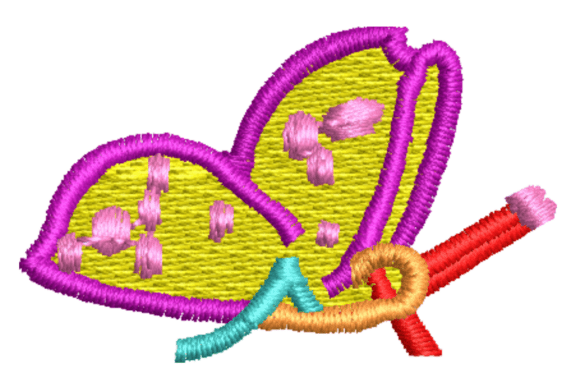
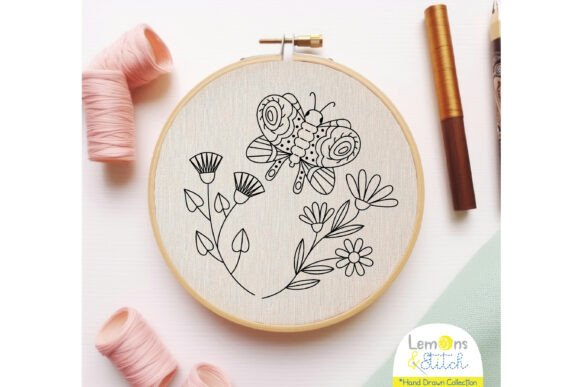
When I first pulled up the Butterfly Embroidery Wild Flowers template, the mood it projected was gentle yet resilient. It captures that specific aesthetic of untamed nature—wildflowers that grow in clusters rather than perfect rows, paired with a butterfly that feels like a visitor rather than a centerpiece. This balance is crucial for modern embroidery projects. Today’s consumers, especially those browsing Etsy or boutique shops, are moving away from stiff, symmetrical designs toward pieces that feel lived-in and organic.
The layout appears thoughtful. By offering sizes ranging from 3 to 8 inches, the designer has acknowledged that this motif needs to breathe. A 3-inch version might work as a subtle pocket accent, while the 8-inch variant commands attention as a central back piece on a garment. The hand-drawn nature suggests irregular lines and natural variations in petal shapes, which translates beautifully into stitch work. It avoids the robotic perfection that can make embroidered items look mass-produced rather than handmade.
Real-World Application: The Custom Tote Bag Scenario
To truly evaluate a design, you have to imagine it on fabric. I recently worked on a commission for a local botanical garden’s gift shop. They needed a tote bag design that felt earthy and sophisticated, avoiding the cliché cartoonish florals often found in big-box stores. Butterfly Embroidery Wild Flowers fit this brief perfectly. I visualized it stitched onto heavy-duty canvas in muted sage greens, dusty roses, and slate blues.
In this context, the design’s clarity is its strongest asset. When scaling up to an 8-inch hoop size, the details of the wildflower petals need to remain distinct. If the lines are too thin, they get lost in the texture of the canvas. If they are too dense, the fabric puckers. Because this is a Hand Embroidery Patterns resource, the artist likely considered how a human hand would navigate these curves. For a machine embroiderer, this means checking your stitch density carefully. You want enough coverage to make the colors pop, but not so much fill stitch that the tote bag becomes stiff and unyielding.
Versatility Across Product Lines
Beyond tote bags, this graphic offers surprising versatility for small shop owners. Consider sweatshirt embroidery. Placing the 5 or 6-inch version on the left chest of a high-quality cotton blend sweatshirt creates a understated, premium look. It appeals to customers who want custom apparel that doesn’t scream for attention but still expresses personality. Similarly, for baby embroidery, the softer, smaller 3 or 4-inch sizes could adorn muslin swaddles or organic cotton onesies. The whimsical nature of the butterfly adds a touch of magic without being overly juvenile, making it suitable for gender-neutral nursery decor.
For those selling embroidered patches, the 3-inch size is ideal. Patches require bold outlines and clear separation between elements so the design remains readable from a distance. The wildflower cluster provides natural negative space, allowing the background fabric of the patch to show through and define the shapes. This reduces thread usage and keeps the patch flexible enough to sew onto denim jackets or backpacks.
Technical Considerations and Fabric Choices
While the design is versatile, it is not without its challenges. As an experienced reviewer, I must point out where caution is needed. The intricate details of wildflowers can be tricky on textured fabrics like terry cloth or heavy wool. On these surfaces, fine details may disappear. I recommend testing the design on scrap fabric first, specifically using a cut-away stabilizer to support the stitches without adding bulk.
Dark fabrics present another hurdle. If you are stitching this onto navy or black material, you cannot rely on the fabric color to define the edges. You will need to use a satin stitch or a dense running stitch outline to ensure the butterfly and flowers stand out. Conversely, on light, thin fabrics like linen or chiffon, be mindful of pull and distortion. A 7 or 8-inch design covers a significant surface area; if the stitch density is too high, it will warp the garment. Always check the recommended hoop size and adjust your tension accordingly.
Commercial Value and Brand Consistency
For Etsy sellers and creative entrepreneurs, the value of a design lies not just in its beauty, but in its marketability. Butterfly Embroidery Wild Flowers taps into the enduring trend of cottagecore and nature-inspired aesthetics. Using a hand-drawn asset enhances the perceived value of your handmade product. It tells a story of craftsmanship that resonates with buyers willing to pay a premium for unique items.
However, before listing finished items or digital products, you must verify the licensing terms. Since this is categorized under Graphics and Hand Embroidery Patterns, clarify whether the license allows for commercial use of physical goods. Some designers allow you to sell the stitched item but prohibit reselling the digital file itself. Always read the fine print to protect your craft business.
Final Designer Notes
Before committing to a large production run, treat this design as a prototype. Create a printable mockup to see how the proportions look on different garments. Test it in black and white to ensure the contrast holds up without color reliance. Pay attention to the transition points between the butterfly wings and the flower stems; these are areas where thread breaks or jumps might occur if not optimized.
Ultimately, Butterfly Embroidery Wild Flowers is a strong contender for designers seeking organic, authentic motifs. It bridges the gap between artistic illustration and practical embroidery, offering a range of sizes that accommodate everything from delicate holiday embroidery gifts to bold statement pieces. With careful attention to fabric choice and stitch density, it can elevate your portfolio and delight your customers.