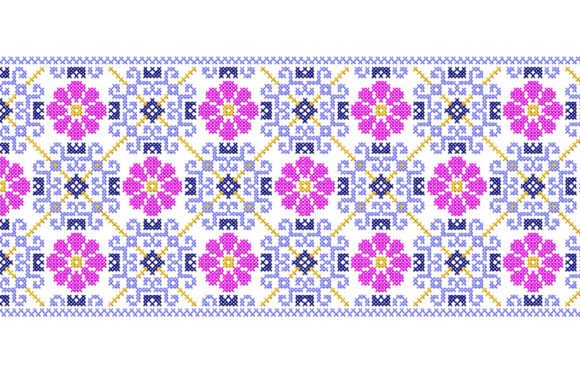
Reviewing Vintage Cross Stitch Border Embroidery
As an embroidery designer who has spent countless hours digitizing and testing patterns for small business owners, I approach every new machine embroidery design with a critical eye. It is not just about whether the pattern looks pretty on a screen; it is about how it performs under the needle and how it resonates with the end customer. Recently, I had the opportunity to test the Vintage Cross Stitch Border Embroidery design, and I want to share my practical insights for fellow crafters, Etsy sellers, and gift shop owners looking to elevate their product lines.
The First Impression: Rustic Charm Meets Modern Craft
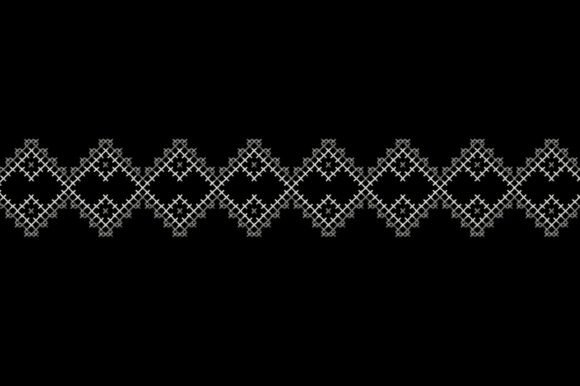
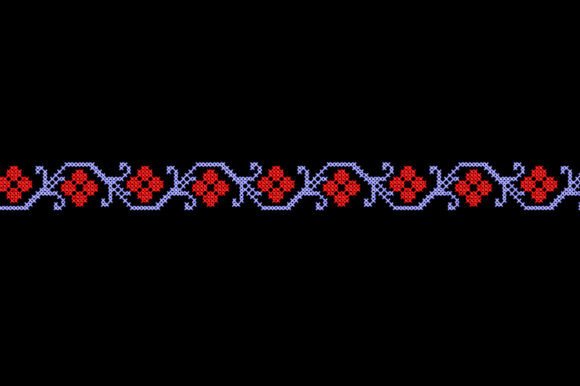
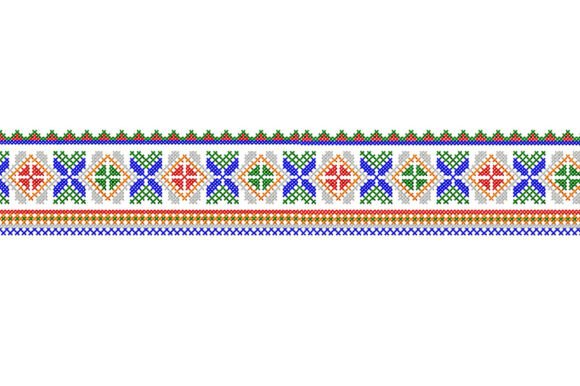
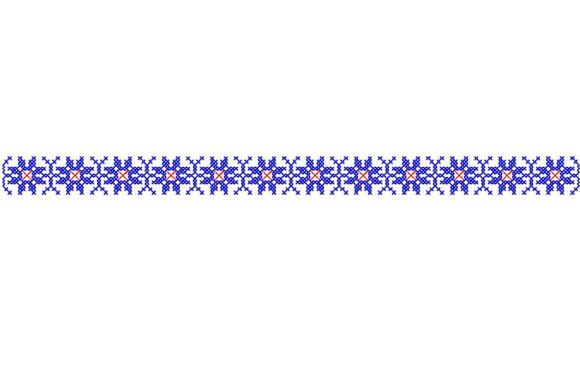
When I first loaded the embroidery file into my software, the immediate feeling was one of warmth. This design does not scream for attention with flashy gradients or complex shading. Instead, it whispers with the quiet confidence of traditional folk art. The aesthetic is undeniably rustic, drawing inspiration from classic cross-stitch motifs that have adorned homes for generations. For a personalized gift market that is currently saturated with ultra-modern minimalism, this design offers a refreshing return to handmade heritage.
The mood is sweet yet elegant, striking a balance that appeals to a wide demographic. It feels playful enough for a nursery but refined enough for a wedding keepsake. As a designer, I appreciate that the charm lies in its simplicity. It evokes the feeling of a heirloom piece, which is exactly what customers are seeking when they commission a handmade product. Whether you are creating an embroidered towel for a housewarming or a pillow cover for a cozy living room, this border adds an instant layer of emotional connection.
Versatility Across Product Lines
One of the strongest assets of the Vintage Cross Stitch Border Embroidery is its adaptability. In my testing phase, I envisioned this design across several key categories that drive sales for small shop products.
- Baby Embroidery: The soft, folk-inspired lines work beautifully on baby blankets and burp cloths. It adds a touch of nostalgia without being overly juvenile.
- Wedding Gifts: Imagine this border framing the initials of a couple on a linen table runner or a commemorative handkerchief. It serves as a timeless wedding gift that feels deeply personal.
- Kitchen Linens: An embroidered towel or apron featuring this border transforms a utilitarian item into a decorative piece. It is perfect for customers who love farmhouse-style decor.
- Tote Bags and Apparel: For the fashion-conscious crafter, this design can be scaled to fit the hem of a tote bag or the cuff of a sweater, offering a subtle hint of custom embroidery.
For Etsy sellers, this versatility means you can create multiple listings from a single digital asset. You might offer a "Nursery Collection" featuring blanket embroidery and a "Kitchen Heritage" line featuring aprons, all utilizing the same core design element.
Technical Considerations and Fabric Choices
While the design is charming, successful execution requires attention to technical details. Because this is a border design inspired by cross-stitch, the integrity of the straight lines and corners is paramount. Here is where many beginners stumble, so let us discuss where to use this design carefully.
Fabric Texture and Stability
The illusion of cross-stitch relies on a grid-like structure. If you stitch this on a fabric with a loose weave or heavy texture, the individual stitches may get lost. I recommend using tight-weave cottons, linens, or stable blends. When working with thick towels, ensure your machine has enough power to penetrate the pile, and consider using a topping stabilizer to prevent the stitches from sinking into the fabric texture.
Stretchy Materials
Be cautious when applying this to stretchy baby clothes. Cross-stitch styles do not have inherent stretch. If the garment stretches significantly during wear, the embroidery may pucker or break. Always use a cut-away stabilizer for knit fabrics to provide long-term support.
Dark Fabrics and Contrast
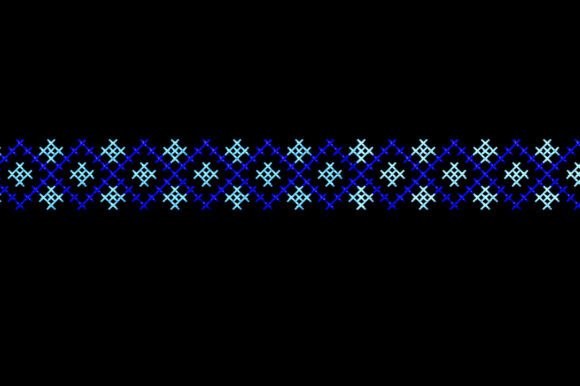
This design shines when there is high contrast between the thread colors and the base fabric. On dark fabric, you must choose light, vibrant thread colors to ensure the motif is visible. I advise creating a printable mockup or stitching a test sample on both light and dark fabric swatches before committing to a full production run.
Enhancing Perceived Value and Trust
From a business perspective, the Vintage Cross Stitch Border Embroidery is a tool for building trust. Customers often equate intricate, neat stitching with high quality. Because this design mimics hand-done cross-stitch, it signals care and effort. When a buyer receives a product with this level of detail, their perceived value of the item increases. It is no longer just a towel; it is a curated piece of art.
This emotional connection drives buyer engagement. Products that tell a story or evoke a memory are more likely to be shared on social media, providing free marketing for your small business. Furthermore, offering a design that looks traditionally handmade helps differentiate your brand in a crowded digital marketplace.
Practical Embroidery Notes for Makers
Before you list this as a finished product or sell it as part of a commercial embroidery service, please follow these essential steps:
- Test on Scrap Fabric: Never skip the test stitch. Check for thread breaks and tension issues specific to your machine.
- Check Thread Color Contrast: Ensure your chosen palette stands out against the background. Folk art often uses earthy tones, but modern twists can use pastels or brights.
- Confirm Hoop Size: Review the dimensions of the design to ensure it fits your available hoop size. If the design is larger than your hoop, you will need to plan for multi-hooping, which requires precise alignment.
- Review Stitch Density: High density can cause puckering on lightweight fabrics. Check the stitch count and density settings in your software. If details are missing from the product description, assume standard density and adjust if necessary.
- Use Proper Stabilizer: Match the stabilizer to the fabric weight. A tear-away may suffice for sturdy canvas, but a cut-away is safer for garments that will undergo frequent washing.
- Check Small Details: After stitching, inspect the corners and intersections of the cross-stitch pattern. They should be crisp and clean.
- Confirm Commercial Licensing: Before selling finished products, verify the license terms of the digital embroidery file. Most designers allow physical sales but restrict the resale of the digital file itself.
In conclusion, the Vintage Cross Stitch Border Embroidery is a delightful addition to any designer’s library. It bridges the gap between traditional craft and modern customization, offering endless possibilities for baby embroidery, wedding gifts, and home decor. By paying attention to fabric choice and stabilization, you can produce high-quality items that delight customers and strengthen your brand’s reputation for excellence.