Teapot and Cup Machine Embroidery Review
As an embroidery designer who has spent years digitizing files for small businesses, I approach every new machine embroidery design with a critical eye. It is not enough for a file to look pretty on a screen; it must perform under the needle, withstand washing, and elevate the brand it represents. Today, I am reviewing Teapot and Cup Machine Embroidery, a digital asset that promises charm and detail for kitchen-themed merchandise. This review focuses on its viability for commercial use, from boutique patches to staff uniforms.
First Impressions: Visual Personality and Appeal
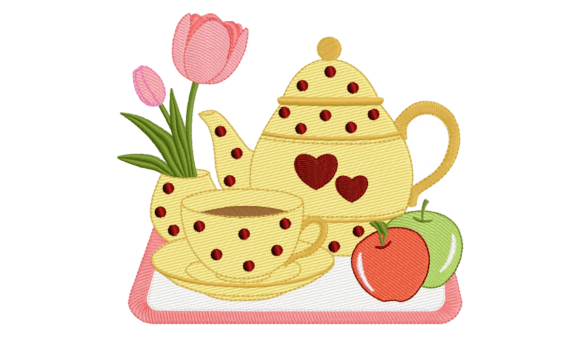
The immediate impression of Teapot and Cup Machine Embroidery is one of warmth and hospitality. The composition, featuring a teapot, cup, tulips, and apples on a tray, suggests a rustic yet elegant aesthetic. For brands in the Tea industry, bakeries, or home goods sectors, this visual language is powerful. It does not scream modern minimalism; instead, it leans into a classic, handmade feel that resonates with customers seeking authenticity.
The inclusion of natural elements like tulips and apples adds a layer of organic texture. In the world of Embroidery, balancing floral details with structured objects like teapots can be tricky. If executed well, this design offers a friendly and inviting tone, perfect for businesses that want to project approachability and care. However, the description mentions "detailed stitches," which raises a flag for production efficiency. We must evaluate whether these details translate cleanly to fabric or if they risk becoming muddy.
Commercial Viability for Small Business Merch
For Etsy sellers, crafters, and boutique owners, versatility is key. A single digital embroidery file needs to work across multiple product lines to maximize ROI. Here is how Teapot and Cup Machine Embroidery performs in real-world scenarios:
- Apron Embroidery: This is the most natural fit. The design’s theme aligns perfectly with café staff or bakery aprons. Placed on the chest or pocket, it serves as a subtle uniform identifier that reinforces the brand’s niche without being overly corporate.
- Embroidered Patches: Creating iron-on or sew-on patches allows for inventory flexibility. You can produce batches of patches and apply them to various items later. This design’s contained layout makes it suitable for patch creation, provided the stitch density is managed to prevent puckering.
- Tote Bag Design: Canvas totes are a staple for handmade brands. The rustic elements of the teapot and fruit complement the texture of canvas well. It transforms a simple bag into a branded statement piece, increasing the perceived value of the small business merch.
- Kitchen Textiles: As suggested by the product description, this design shines on tea towels and tablecloths. These items are high-volume sellers for home decor shops. The detailed stitches can add a premium touch to otherwise plain linens.
Technical Considerations and Production Challenges
While the aesthetic is strong, the technical execution requires careful planning. The mention of "detailed stitches" implies a higher stitch density. In commercial embroidery, density affects both the look and the durability of the finished product.
When using this design on curved surfaces like caps, caution is advised. Cap embroidery requires simplified designs to avoid distortion. The intricate outlines of the tulips and the teapot spout might lose definition if scaled down too much for a cap front. Similarly, on dark uniforms, you must ensure sufficient contrast in your thread colors. A light-colored teapot on a navy apron works, but fine details in the apples or leaves might disappear if the thread choice is not sharp.
Another critical factor is the hoop size. Since the specific dimensions are not provided in the brief, you must verify that the design fits your standard hoops. If the design is large, it may require re-digitizing or splitting for smaller items like pocket logos. Always check the file specifications before purchasing to ensure compatibility with your machine.
Enhancing Brand Identity and Customer Trust
Consistency in brand identity builds trust. When a customer sees the same high-quality Teapot and Cup Machine Embroidery on your packaging, your website mockups, and your physical products, it creates a cohesive narrative. This visual consistency signals professionalism.
For handmade brands, the tactile nature of embroidery adds value. A printed logo feels mass-produced; an embroidered logo feels crafted. Using this design on custom apparel or gift items elevates the customer experience. It shows attention to detail, which translates to perceived quality in the core products you sell. Whether it is a thank-you gift for a loyal customer or a staff uniform, the embroidery acts as a seal of quality.
Practical Designer Notes for Implementation
Before running a full production batch, follow these steps to ensure success with Teapot and Cup Machine Embroidery:
- Test on Real Fabric: Do not rely solely on digital previews. Stitch out the design on the actual fabric you intend to use. Check for puckering, especially if using lightweight cottons for tea towels.
- Use Proper Stabilizer: Given the detailed nature of the design, a cut-away stabilizer might be necessary for stretchy fabrics like polo shirts, while a tear-away could suffice for stable woven aprons.
- Check Thread Contrast: Create a printable mockup or physical sample using your brand’s specific thread palette. Ensure the tulips and apples are distinct from the teapot and background.
- Verify Commercial Licensing: Before using this design assets for client work or resale, confirm the license terms. Most digital files allow for physical product sales, but restrictions may apply to sharing the file itself.
- Evaluate Scale: Test the design at different sizes. It may look beautiful at 6 inches but become a blob at 2 inches. Find the minimum viable size where the details remain clear.
Final Verdict for Merch Creators
Teapot and Cup Machine Embroidery is a strong contender for businesses rooted in hospitality, home goods, and artisanal crafts. Its charm lies in its ability to convey warmth and tradition through stitch work. However, its success depends on technical diligence. By managing stitch density, choosing the right stabilizer, and respecting the limits of small-scale application, you can turn this file into a profitable asset.
For those looking to expand their commercial embroidery offerings, this design provides a ready-made solution for themed collections. It bridges the gap between decorative art and functional branding. Just remember to treat it as a component of your broader brand identity, ensuring it aligns with your other visual elements. With proper testing and thoughtful application, this design can become a signature element of your small business merchandise, driving engagement and reinforcing the handmade quality your customers love.