Stop Racism Embroidery Design: A Crafter’s Review
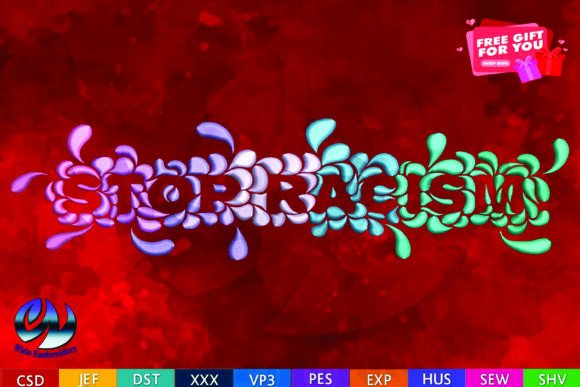
As an embroidery designer who has spent countless hours behind the hoop and even more time standing behind a booth at weekend craft fairs, I look at every new machine embroidery design through a very specific lens. It is not just about whether the stitches are clean; it is about whether the design stops a scrolling thumb online or makes a shopper pause at my table. Today, I am reviewing the Stop Racism Embroidery Design, a digital asset that falls squarely into the Awareness category. This is not just a decorative element; it is a statement piece, and for handmade shop owners and Etsy sellers, statement pieces require careful execution to sell effectively.
First Impressions and Visual Impact
When I first loaded the files to inspect the Stop Racism Embroidery Design, my immediate impression was one of bold clarity. In the world of commercial embroidery, ambiguity is the enemy of sales. A customer walking past a booth has seconds to process what they are seeing. This design does not rely on intricate, fragile details that get lost from three feet away. Instead, it offers a strong, legible message that reads well even at a distance. The aesthetic feels modern and direct, avoiding the overly rustic or farmhouse vibes that might dilute the seriousness of the message. It feels premium because it is purposeful.
The fact that this product comes in five sizes and ten formats is a significant advantage for a small shop product. It means I am not locked into one application. I can scale it down for a subtle accent or scale it up for a focal point. However, the description notes that you must have an embroidery machine and the software to transfer the file. This is standard for a digital embroidery file, but it is worth reiterating for newer crafters: this is not a printable iron-on. It is a tool for those ready to produce physical goods.
Strategic Product Applications
To determine where this design shines, I mentally placed it on various blanks I keep in stock for craft fair products. Here is how I see it performing across different mediums:
- Tote Bags: This is arguably the strongest candidate. A canvas tote with a bold tote bag design like this serves as both a utility item and a walking billboard. The flat surface of a tote allows for perfect hooping without distortion, ensuring the text remains crisp.
- Aprons: An apron embroidery project using this design transforms a kitchen staple into a conversation starter. It works well on the bib area, provided the hoop size accommodates the width of the lettering.
- Tea Towels: For tea towel embroidery, caution is required. Towels have a loose weave and high texture. If the design has dense stitch areas, it may pucker the fabric. I would recommend using a cut-away stabilizer and testing on a high-quality, tightly woven towel rather than a fluffy, textured one.
- Embroidered Patches: Creating an embroidered patch allows customers to apply the message to items they already own. This expands the market beyond those who want to buy a whole new garment.
- Caps and Hats: While popular, curved surfaces are tricky. If the design is wide, it may wrap around the curve of a cap, distorting the text. I would only use the smallest size variant for headwear to maintain readability.
Production Practicalities for Batch Selling
For any Etsy seller or boutique maker, repeatability is key to profit. When preparing for a busy market season, I need designs that are quick to hoop and stitch out without constant thread breaks or jamming. The Stop Racism Embroidery Design appears straightforward, but there are critical technical checks every designer must perform before committing to a full batch.
First, consider stitch density. Bold lettering often requires solid fills to look professional. If the density is too high on thin fabric, it will cause puckering. If it is too low, the backing fabric will show through, ruining the professional look. Always test on scrap fabric identical to your final product. Second, review the thread colors. High contrast is essential for awareness messages. Black thread on white canvas is classic, but consider deep navy on cream or vibrant red on black for a modern twist. Ensure your thread palette matches the emotional tone of the design.
Another vital factor is the hoop size. Since the package includes five sizes, match the hoop to the design strictly. Do not try to force a large design into a small hoop by resizing it in your machine software, as this alters the stitch count and density, potentially causing needle breaks. Use the specific file intended for your hoop dimension.
Marketing and Visual Appeal
How does this design affect buyer engagement? In a crowded marketplace, products with a clear stance often attract a loyal niche audience. This design adds value not just through craftsmanship, but through alignment with the buyer’s values. It elevates a simple handmade product into a symbol of solidarity. For your online listings, this design photographs exceptionally well because of its high contrast. Create a printable mockup or stage real photos on neutral backgrounds to let the text pop. Avoid cluttered props that distract from the message.
When building your booth display, use this design to create a cohesive theme. Pair it with other awareness-focused items to create a dedicated section in your stall. This helps customers quickly identify your brand’s voice. Consistency in your design assets builds trust. If the stitching is clean and the message is clear, the perceived value of the finished product increases significantly.
Essential Designer Notes and Cautions
Before you list this as a craft fair product, take these practical steps to ensure quality control:
- Test on Scrap Fabric: Never stitch directly on your final sale item first. Run tests on similar weight and texture fabrics to check for puckering or thread breaks.
- Check Stabilizer Choice: Use the right stabilizer for the fabric. Tear-away for stable woven fabrics, cut-away for stretchy knits or towels. This prevents distortion after washing.
- Inspect Small Details: Look closely at the smallest size included in the pack. If the lettering becomes too thin or the spaces between letters close up, do not use that size on textured fabrics. It may lose clarity.
- Verify Commercial Licensing: Although this is an instant download, always confirm the license terms. Ensure you are allowed to sell the finished product physically. Most designers allow this, but some restrict mass production.
- Fabric Contrast: Dark fabric requires careful thread choice. Standard polyester thread may not stand out enough on black cotton. Consider using rayon for higher sheen or metallic threads for emphasis, but test tension first.
The Stop Racism Embroidery Design is a powerful tool for the modern embroidery business. It bridges the gap between artistic expression and social commentary. By treating it with the technical respect it deserves—checking density, choosing the right stabilizer, and selecting appropriate blanks—you can create a best-selling item that resonates with customers. Remember, the goal is not just to sell a shirt or a bag, but to deliver a message with professionalism and pride. Keep your hoops tight, your threads fresh, and your message clear.