Reviewing the Swirling Red Wine Glass Embroidery Design
As an embroidery designer who has spent years digitizing logos and testing files for commercial production, I approach every new machine embroidery design with a critical eye. It is not just about whether a motif looks pretty on a screen; it is about how it performs in the real world of small business merchandise. Recently, I evaluated the Swirling Red Wine Glass Embroidery Design, a piece that promises elegance through its depiction of a glass captured mid-swirl. For boutique owners, café operators, and handmade brand creators, this design offers a sophisticated visual asset, but its success depends entirely on strategic application.
First Impressions: Elegance Meets Simplicity
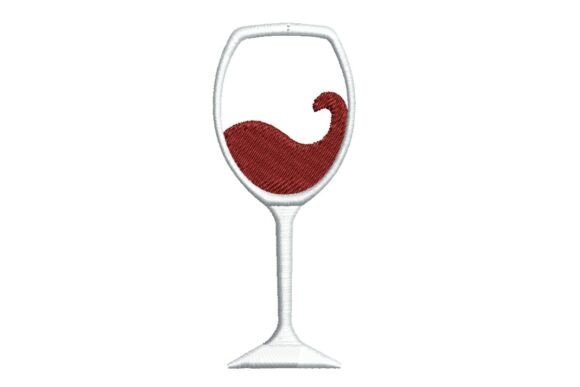
The initial visual impact of the Swirling Red Wine Glass Embroidery Design is one of refined simplicity. The description highlights a classic, rounded wine glass outlined with clean white satin stitching against a white background. In a professional context, this suggests a design that relies heavily on negative space and precise stitch placement rather than complex shading or dense fills. This aesthetic feels premium and modern, avoiding the cluttered look that often plagues amateur digitizing. For a brand identity centered around relaxation, luxury, or artisanal quality, this design communicates sophistication without shouting. It is decorative yet restrained, making it suitable for businesses that want to project a high-end image through their custom apparel and branded goods.
Strategic Applications for Small Business Merch
When considering where to place this design, versatility is key. I have tested similar concepts across various substrates, and here is how this specific wine-themed motif performs in common commercial scenarios:
- Embroidered Patches: This is perhaps the strongest use case. A patch allows for controlled backing and stabilizer use, ensuring the white satin stitches remain crisp. It can be ironed onto tote bags, denim jackets, or canvas aprons, adding a removable branding element that customers love.
- Apron Embroidery: For bakeries, florists, or wine bars, staff uniforms are walking billboards. Placing this design on the chest pocket area of a high-quality canvas apron creates a cohesive, professional look. The white stitching contrasts beautifully against dark navy, charcoal, or forest green fabrics commonly used in hospitality.
- Tote Bag Design: Canvas totes are a staple for Etsy sellers and boutique shops. The Swirling Red Wine Glass Embroidery Design works well as a central focal point on a natural or cream-colored bag. It elevates a simple accessory into a desirable handmade product that customers are proud to carry.
- Cap Embroidery: While possible, this requires caution. The curved surface of a cap front can distort circular or swirling shapes. If used here, it should be scaled down significantly to fit between the seams, serving as a subtle accent rather than a dominant logo.
Navigating Technical Challenges in Production
While the design is visually appealing, experienced embroiderers know that white satin stitching on light backgrounds presents technical hurdles. The description notes the design is set against a white background. In production, you will rarely embroider white-on-white unless creating a textured, tonal effect for a very subtle brand mark. More likely, you will be stitching this onto colored fabrics. Here, thread color contrast becomes vital. If you choose a dark fabric, the white outline will pop, but you must ensure the stitch density is sufficient to cover the fabric weave without causing puckering.
There are specific scenarios where this design should be used carefully. On textured fabrics like terry cloth or heavy wool, fine satin stitches can get lost or snag. Similarly, if the design includes tiny details within the swirl or the liquid representation, these may not hold up at very small sizes. I always recommend creating a printable mockup at the intended physical size before hooping any fabric. This helps visualize if the "swirl" retains its fluid motion or if it collapses into a blob of thread. Additionally, items that undergo frequent industrial washing, such as restaurant uniforms, require robust underlay and proper stabilizer selection to prevent the satin columns from shifting over time.
Enhancing Brand Identity and Customer Trust
Beyond the technical aspects, the choice of imagery directly influences consumer perception. Using the Swirling Red Wine Glass Embroidery Design signals attention to detail. In the realm of small business merch, customers often equate the quality of the embroidery with the quality of the product itself. A clean, well-digitized wine glass suggests that the brand values craftsmanship. This is particularly effective for wineries, vineyards, or gourmet food shops looking to strengthen their brand identity. It transforms a standard item, like a plain shirt or bag, into a branded asset that fosters recognition and loyalty.
Furthermore, this design supports visual consistency. If your brand uses minimalist line art in its digital marketing, having a matching digital embroidery file ensures that your physical products align with your online presence. This cohesion builds trust, as customers receive a unified experience from browsing your website to unboxing their purchase.
Practical Designer Notes for Implementation
Before committing to a large production run of commercial embroidery projects using this file, I advise following a strict testing protocol. First, check the file specifications. Since the provided description does not list exact stitch counts, hoop sizes, or available formats, you must verify these details with the seller. Ensure the hoop size matches your machine’s capabilities and the intended placement area.
- Test on Real Fabric: Never rely solely on screen previews. Stitch out the design on the actual material you plan to use for your final product. This reveals issues with tension, thread breaks, or fabric distortion.
- Review Thread Colors: Experiment with different thread shades. While white is classic, a deep burgundy or gold could add depth to the wine glass, depending on your brand palette.
- Check Spacing and Density: Inspect the spacing between the satin stitches. If they are too wide, the fabric will show through; if too dense, the design may become stiff and prone to tearing.
- Confirm Commercial Licensing: Always read the license terms associated with the embroidery file. Ensure you have the right to use the design for finished products intended for sale, not just personal use.
- Create Client Mockups: If you are producing this for a client, present them with a realistic mockup showing the design on their specific garment. This manages expectations and reduces revision requests later.
In conclusion, the Swirling Red Wine Glass Embroidery Design is a strong contender for businesses in the hospitality and lifestyle sectors. Its elegant lines and classic subject matter offer a timeless appeal. However, its success lies in the execution. By respecting the limitations of satin stitching, choosing appropriate fabrics, and adhering to rigorous testing standards, you can transform this digital asset into a tangible symbol of quality for your brand. Whether used on a barista’s apron or a customer’s tote bag, it serves as a reminder that in embroidery, as in wine, the details matter most.