Review: Golden Mandala Embroidery Design for Crafters
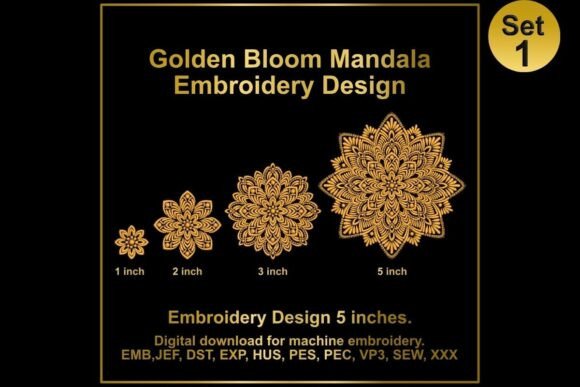
As a designer who has spent countless hours digitizing patterns and troubleshooting machine errors, I approach every new machine embroidery design with a mix of curiosity and skepticism. We have all been there: downloading a file that looks stunning in the preview software, only to find it turns into a bird’s nest of thread on the fabric. Today, I am taking a close look at the Golden, Mandala Embroidery Design, evaluating not just its aesthetic appeal, but its practical viability for real-world projects.
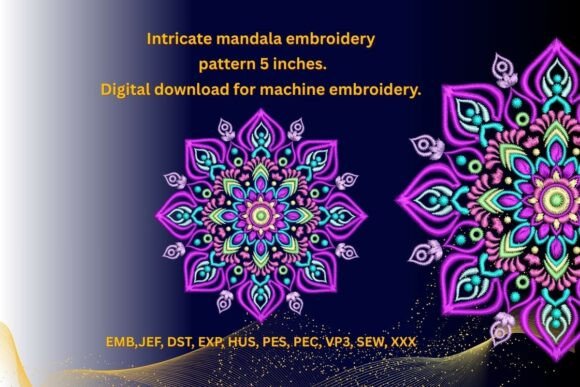
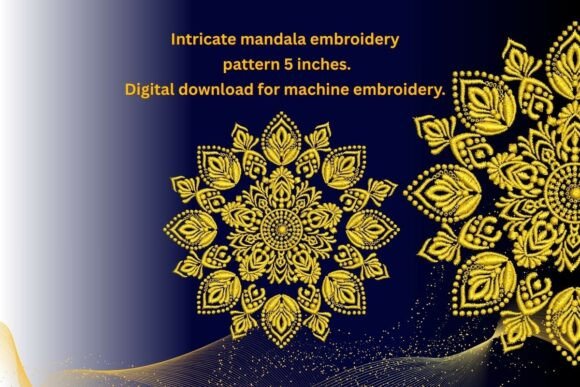
This 5-inch pattern promises intricate floral and geometric details, positioning itself as a luxurious option for spiritual décor and fashion accents. But does it hold up under the needle? Let’s dive into how this design performs when moved from the digital screen to the sewing room.
First Impressions and Visual Personality
The immediate mood created by the Golden, Mandala Embroidery Design is one of calm sophistication. Mandalas are inherently balanced, relying on radial symmetry to draw the eye inward. What stands out here is the interplay between the geometric structure and the organic floral elements. It does not feel rigid; instead, it flows. For an embroidery project intended to convey mindfulness or elegance, this visual personality is spot on.
The "golden" aspect suggests warmth. In a digital embroidery file, this usually translates well to metallic threads or warm yellows and ochres. However, the complexity of the layout means that thread choice will make or break the final look. If you plan to use this for a custom apparel piece, consider how the light hits the stitches. The design relies on contrast to define its layers, so flat, matte threads might lose some of the depth compared to rayon or polyester threads with a slight sheen.
Real-World Application: The Tote Bag Test
To truly evaluate a design, I imagine it in a specific commercial context. Let’s say I am preparing a batch of canvas tote bags for a local boutique. This is a common scenario for any Etsy seller or craft business owner. The Golden, Mandala Embroidery Design, at 5 inches, is a substantial size. It commands attention without overwhelming a standard tote.
In this scenario, the design serves as a focal point. I would place it centrally on the bag, ensuring the hoop allows for enough margin. The intricate details suggest a need for precision. When stitching on canvas, the fabric texture can sometimes interfere with fine lines. I would recommend using a cut-away stabilizer to prevent distortion, especially since mandalas require perfect circular alignment. If the fabric shifts even slightly during stitching, the symmetry breaks, and the professional look is lost.
For a personalized gift or a small shop product, this design adds perceived value. Customers often associate complex embroidery with higher quality and effort. A well-executed mandala on a tote bag feels like a premium item, justifying a higher price point than a simple monogram.
Versatility Across Products
Beyond tote bags, where else does this design shine? I see strong potential in sweatshirt embroidery. A 5-inch design fits comfortably on the left chest or as a larger back piece on youth sizes. On fleece or French terry, the fill stitch areas need to be dense enough to cover the fabric nap but not so dense that they cause puckering. Since the description mentions intricate details, I would advise checking the stitch density settings in your software before hitting start. If the density is too high for thick fabrics, you may need to adjust it manually.
For baby embroidery, caution is key. While the design is beautiful, the small geometric details might be too delicate for items that undergo frequent washing and tumbling. If used on a baby blanket, ensure the thread colors are colorfast and the backing is soft against sensitive skin. Alternatively, this design works wonderfully as an embroidered patch. Hooping the patch material separately allows for tighter stabilization and cleaner edges, which can then be ironed or sewn onto various garments.
I also envision this as a standout element in holiday embroidery projects. Think gold thread on deep green velvet for Christmas ornaments or pillow covers. The sacred, geometric nature of the mandala fits seamlessly into winter décor themes, offering a modern twist on traditional motifs.
Technical Considerations and Potential Pitfalls
No design is universal, and the Golden, Mandala Embroidery Design requires careful handling in certain situations. Here are the areas where I would proceed with caution:
- Small Hoop Sizes: At 5 inches, this design will not fit in a 4x4 hoop. Attempting to split the design or resize it significantly could distort the proportions and ruin the symmetry.
- Dark Fabrics: If you are stitching on black or navy, the "golden" theme needs bright, high-contrast thread. Dark golds may disappear. Always test your thread colors on a scrap piece first.
- Stretchy Fabric: Knits and jersey require serious stabilization. The geometric lines of a mandala will show any warping immediately. Use a heavy-duty stabilizer and consider a water-soluble topping to keep stitches from sinking into the knit.
- Curved Surfaces: Stitching this on a cap is possible but challenging. The center of the mandala must align perfectly with the cap’s center seam. Any deviation is obvious. I would recommend this for experienced embroiderers only when working on hats.
Enhancing Brand Consistency and Value
For commercial embroidery professionals, consistency is currency. Using a design like this across a product line—such as matching tote bags, aprons, and tea towels—creates a cohesive brand identity. The finished product looks intentional and curated. When customers see the same intricate design on multiple items, it builds trust in your craftsmanship.
Moreover, this design lends itself well to printable mockup creation. Before stitching a single thread, you can visualize the Golden, Mandala Embroidery Design on various backgrounds. This helps in marketing your design assets or finished goods online. A high-quality mockup can drive engagement and sales, especially for digital embroidery file sellers who need to show versatility.
Practical Designer Notes
Before you commit to a large production run or a high-stakes gift, follow these steps:
- Test on Scrap Fabric: Never skip this. Use the same fabric type and weight you intend to use for the final product.
- Check Stitch Density: Open the file in your editing software. Look for areas where stitches overlap excessively. Trim jump stitches and optimize the path if necessary.
- Contrast Check: View the design in black and white. If the details merge into a gray blob, the contrast is insufficient for the chosen thread and fabric combination.
- Verify Licensing: If you are an Etsy seller or run a small shop product line, confirm the license terms. Can you sell the physical items? Can you resell the digital file? Always clarify this before commercial use.
- Inspect Small Details: Zoom in on the floral elements. Are the satin stitch widths appropriate for your needle size? Fine details may require a smaller needle, such as a 75/11, to prevent perforation.
In conclusion, the Golden, Mandala Embroidery Design is a robust choice for designers who value intricate, meaningful aesthetics. It performs best on stable, medium-to-heavy weight fabrics where its symmetry can be fully appreciated. With proper preparation and attention to detail, it can elevate a simple handmade product into a cherished keepsake or a best-selling item in your store. Treat it with respect, test it thoroughly, and let the geometry speak for itself.