Review: Cute Owl Embroidery Design File for Craft Fairs
As an embroidery designer who has spent countless weekends standing behind booth tables, I know that not every machine embroidery design is created equal when it comes to driving sales. Some designs look beautiful on a screen but fail to catch the eye of a passing customer. Today, I am reviewing the Cute Owl Embroidery Design File specifically through the lens of a craft fair seller and handmade shop owner. My goal is to determine if this woodland-themed asset deserves a spot in your next production batch.
First Impressions and Visual Appeal
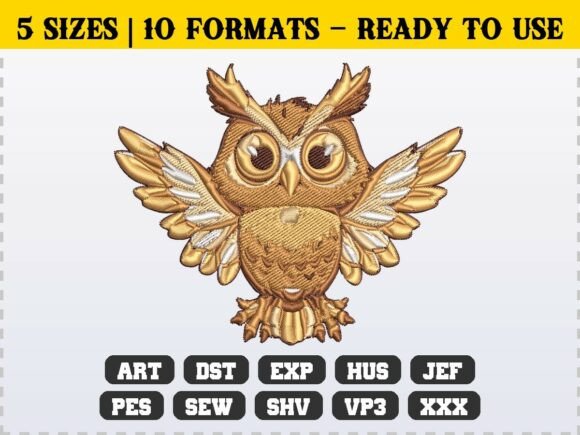
The first thing I look for in a potential bestseller is immediate visual impact. The Cute Owl Embroidery Design File promises an adorable Flying Owl with wide eyes and detailed feathers. In the context of a busy craft fair, "cute" is a powerful sales driver. It appeals to a broad demographic, from parents buying gifts for children to adults who appreciate whimsical Woodland Animals decor.
The description highlights "smooth stitching" and "high-quality results," which suggests the digitizer has paid attention to stitch pathing. For a reviewer, this is crucial. A design that looks cluttered or messy in person will never justify a premium price point. The flying pose adds dynamic movement, distinguishing it from the static, perched owls we see everywhere. This sense of motion can make the embroidery file feel more modern and lively, fitting well into both rustic farmhouse and contemporary nursery aesthetics.
Product Versatility for the Weekend Booth
To maximize ROI, a design must work across multiple product types. Here is how I envision using this Cute Owl Embroidery Design File in a real-world market scenario:
- Tote Bags and Market Bags: This is likely the strongest application. A flying owl centered on a canvas tote creates an instant focal point. It transforms a basic bag into a unique tote bag design that customers want to carry daily.
- Apron Embroidery: Kitchen enthusiasts love personality in their gear. Placing the owl on the bib of an apron adds charm without being overwhelming. It pairs beautifully with neutral linen or cotton fabrics.
- Tea Towel Embroidery: For lower-priced impulse buys, embroidering the owl on the corner of a tea towel is effective. However, you must ensure the scale is appropriate so the details do not get lost in the terry cloth texture.
- Embroidered Patches: If the design holds up at a smaller size, turning it into iron-on patches allows customers to customize their own jackets or backpacks. This is a high-margin small shop product.
- Pillow Covers and Caps: While possible, these require careful placement. On a cap, the curvature can distort the flying shape. On pillows, it works best as a central motif on solid-colored fabrics.
Production Practicality and Batch Selling
For an Etsy seller or boutique maker, time is money. The claim of "perfectly digitized for smooth stitching" suggests that this digital embroidery file is optimized for speed and reliability. When producing fifty units for a fair, you cannot afford frequent thread breaks or complex trims.
I recommend checking the stitch density before running a full batch. If the feather details are too dense, the fabric may pucker, especially on lighter materials like cotton voile or thin linen. Conversely, if the density is too low, the design may look sparse. The ideal scenario is a balanced fill that covers the fabric well without adding excessive bulk. This balance ensures your finished product feels professional and durable.
Photography is another critical factor. The wide eyes and distinct silhouette of the owl should photograph well for your online listings. High-contrast thread colors against neutral backgrounds will make the design pop in printable mockup images and real-life photos alike. A design that photographs poorly will struggle to convert browsers into buyers on digital platforms.
Careful-Use Notes and Technical Considerations
While the Cute Owl Embroidery Design File appears promising, there are technical pitfalls to avoid. As a designer, I always advise testing on scrap fabric first. Here are specific areas where caution is needed:
- Fabric Texture: Textured towels or thick denim can swallow small details. Ensure the "detailed feather" elements are large enough to remain visible on rougher surfaces.
- Dark Fabric: If stitching on black or navy, you may need to adjust underlay stitches or use a lighter stabilizer to prevent the background from showing through the fills.
- Curved Surfaces: Embroidering on caps requires a 3D foam or specific technique to keep the owl from distorting. Test this thoroughly before selling.
- Scale Clarity: Verify the minimum viable size. If you shrink the design too much for a small pouch, the eyes and feathers may merge into a blob. Always check the clarity at your intended production size.
Enhancing Brand Consistency and Value
Using a cohesive theme like Woodland Animals helps build brand recognition. If your booth features various owl products, customers begin to associate your brand with that specific aesthetic. The Cute Owl Embroidery Design File can serve as a signature element in your design assets library.
When customers see consistent quality and charming motifs, they perceive higher value. This perception allows you to price your handmade product competitively while maintaining healthy margins. Furthermore, a well-executed design encourages buyer engagement. People stop to look at cute characters, which starts conversations and leads to sales.
Final Designer Recommendations
Before committing to full-scale commercial embroidery production, take these final steps:
- Check Licensing: Confirm that the license included with the embroidery file permits commercial use for finished goods. Never assume; always read the terms.
- Verify Hoop Size: Ensure the design fits your standard hoop sizes. If it requires a large hoop, calculate if that limits your product choices.
- Select the Right Stabilizer: Use cut-away stabilizer for stretchy fabrics like tote bags to prevent distortion over time. Use tear-away for stable woven fabrics like aprons.
- Create Real Mockups: Do not rely solely on digital previews. Stitch out one sample on each fabric type you plan to sell. Compare how the thread colors interact with different fabric shades.
In conclusion, the Cute Owl Embroidery Design File has strong potential as a versatile and appealing asset for craft fair vendors. Its charm, combined with proper technical execution, can elevate your craft fair product lineup. By focusing on practical applications like tote bags and aprons, and respecting the technical limits of the design, you can create a successful and profitable collection of handmade goods.